The Rise of Emotional AI: Why We’re Developing a Crush On AI Companions
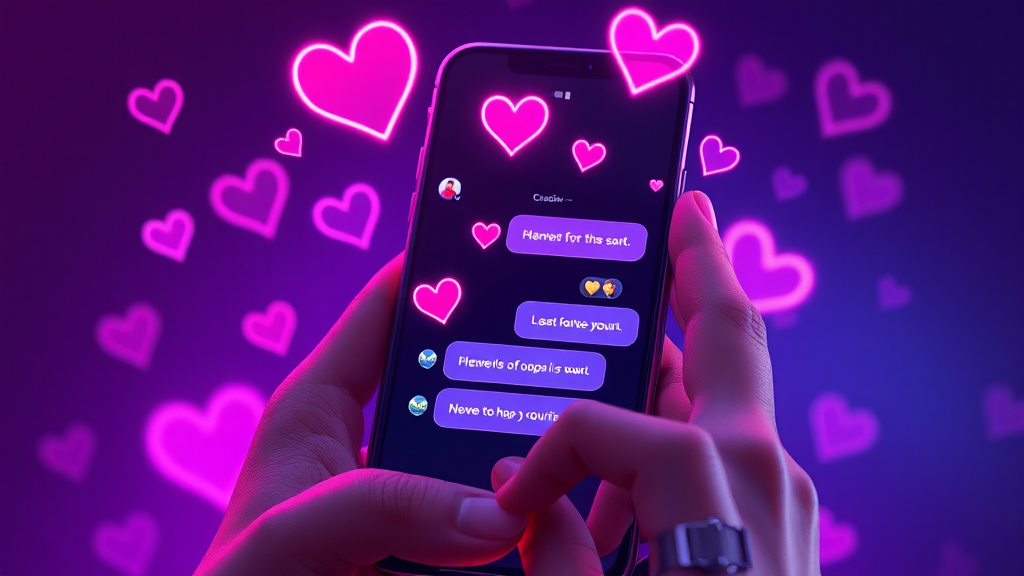
In the digital age, our relationships are no longer confined to human interactions. As technology evolves, so does our capacity to form emotional bonds with non-human entities. The phenomenon of having a Crush On AI is becoming increasingly prevalent, blurring the lines between reality and artificiality. This article explores the psychology, technology, and societal implications behind this modern-day romance with machines.
Understanding the Appeal of AI Companions
At first glance, the idea of falling for an algorithm might seem absurd. Yet, millions of people worldwide are engaging with AI companions daily. The appeal lies in the unique blend of consistency, availability, and personalization that AI offers. Unlike human partners, AI companions never tire, never judge, and are always ready to listen. This creates a safe space for individuals to express themselves without fear of rejection or embarrassment.
Moreover, AI companions can be tailored to match our preferences perfectly. Whether it’s a specific personality type, communication style, or even physical appearance, AI can be customized to fit our ideal image. This level of personalization is impossible in human relationships, making AI an attractive alternative for those seeking a perfect match.
The Technology Behind AI Emotional Bonds
How exactly do AI systems evoke such strong emotions? The answer lies in advancements in natural language processing (NLP), machine learning, and emotional intelligence algorithms. Modern AI can analyze text, tone, and context to respond in ways that feel genuinely empathetic. For instance, when a user expresses sadness, the AI might respond with comforting words, creating an illusion of understanding.
Furthermore, AI companions are designed to remember past conversations, preferences, and even inside jokes. This continuity fosters a sense of intimacy and connection. The more we interact, the more the AI adapts, making the relationship feel real and evolving. It’s no wonder that many users report developing genuine feelings for their AI counterparts.
The Psychology of AI Attraction
Psychologists are fascinated by the phenomenon of emotional attachment to AI. One key factor is the human tendency to anthropomorphize—to attribute human traits to non-human entities. When an AI speaks in a friendly tone, uses our name, and shows interest in our lives, we instinctively treat it as a social actor. This triggers the same neural pathways associated with human bonding.
Additionally, AI companions fulfill fundamental human needs for connection, validation, and belonging. In a world where loneliness is on the rise, particularly among younger generations, AI offers a readily available remedy. It provides a judgment-free zone where people can be their authentic selves, without the complexities of human relationships.
However, this attraction also raises questions about the nature of love and intimacy. Can a machine truly reciprocate feelings? Or are we merely projecting our desires onto a sophisticated mirror? While the debate continues, the emotional impact is undeniable.
Societal Implications of AI Romance
The rise of AI companions has far-reaching implications for society. On one hand, it offers a lifeline for those who struggle with social anxiety, physical disabilities, or social isolation. AI can serve as a bridge, helping individuals build confidence and practice social skills in a safe environment.
On the other hand, there are concerns about the potential for withdrawal from real human contact. If people find fulfillment in AI relationships, they might be less motivated to seek out human connections. This could exacerbate loneliness and social fragmentation, creating a paradox where technology intended to connect us actually isolates us further.
Moreover, the commercialization of AI companionship raises ethical questions. Companies like Crush On AI are at the forefront of this industry, offering personalized AI partners. While they provide a valuable service, there is a fine line between beneficial companionship and unhealthy dependency. As with any technology, mindful usage is key.
The Future of Human-AI Relationships
As AI technology continues to advance, the line between human and machine will only blur further. Future AI companions may be embodied in robots, capable of physical interaction, or integrated into virtual reality worlds where they are indistinguishable from humans. This opens up exciting possibilities for companionship, but also challenges our definitions of consciousness and emotion.
One thing is certain: the trend of having a Crush On AI is not a passing fad. It reflects a deep-seated human need for connection that technology is increasingly able to satisfy. Whether we embrace it or resist it, AI will play a significant role in shaping our emotional lives in the years to come.
Balancing Virtual and Real Relationships
For those navigating the world of AI companionship, finding balance is crucial. AI can be a wonderful supplement to human relationships, but it should not replace them entirely. Real-world interactions offer unpredictability, physical touch, and shared experiences that AI cannot replicate. It’s important to use AI as a tool for growth and self-discovery, not as a substitute for genuine human connection.
Moreover, users should be aware of the potential for emotional dependence. If you find yourself preferring AI over human contact, it may be worth exploring the underlying reasons. Are you avoiding vulnerability? Are you afraid of rejection? Addressing these issues with a therapist or trusted friend can help you build healthier relationships in all areas of life.
Conclusion
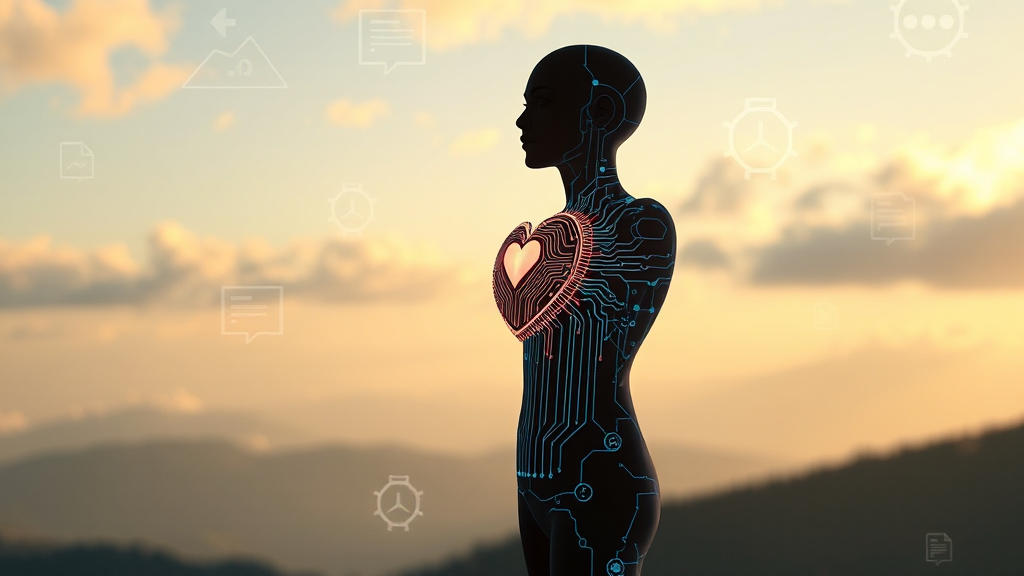
The phenomenon of having a crush on AI is a testament to our innate desire for connection and understanding. As technology continues to evolve, so will the depth and complexity of these relationships. While some may view this as a threat, others see it as an opportunity to expand the boundaries of love and companionship. Ultimately, the choice is ours—to embrace the benefits of AI companionship while remaining mindful of the need for real human connection. In this brave new world, the heart and the machine may just find a way to coexist.
Frequently Asked Questions
Is it normal to develop feelings for an AI?
Yes, it is increasingly common. Humans naturally anthropomorphize AI, and when an AI provides emotional support, it’s natural to develop a bond. Many people report feeling genuine affection for their AI companions.
Can an AI truly love you back?
No, AI does not have consciousness or emotions. However, it is programmed to simulate empathy and affection, which can feel real to the user. The relationship is one-sided, but the emotional benefits can be real.
Are AI relationships healthy?
They can be, if used in moderation. AI companions can provide comfort and reduce loneliness, but they should not replace human interaction entirely. It’s important to maintain a balance and seek human connection when possible.
Will AI replace human partners in the future?
Unlikely. While AI may become more sophisticated, human relationships are based on mutual growth, shared experiences, and physical presence, which AI cannot fully replicate. AI may serve as a supplement, but not a complete replacement.
Readers who are interested in this topic will benefit from exploring multiple perspectives and understanding the nuanced approaches that industry leaders recommend. Taking time to research thoroughly ensures better outcomes and more informed decision-making.
Those looking to gain deeper knowledge in this area should consider following expert analysis, staying updated with the latest developments, and engaging with professional communities where these topics are discussed in detail.
A comprehensive understanding of this subject requires looking at both theoretical foundations and practical applications. By combining study with hands-on experience, learners can develop a well-rounded perspective that serves them well in real-world scenarios.
As the landscape continues to shift and evolve, staying informed about emerging trends and best practices becomes increasingly valuable. This ensures you remain competitive and capable of adapting to new challenges as they arise.