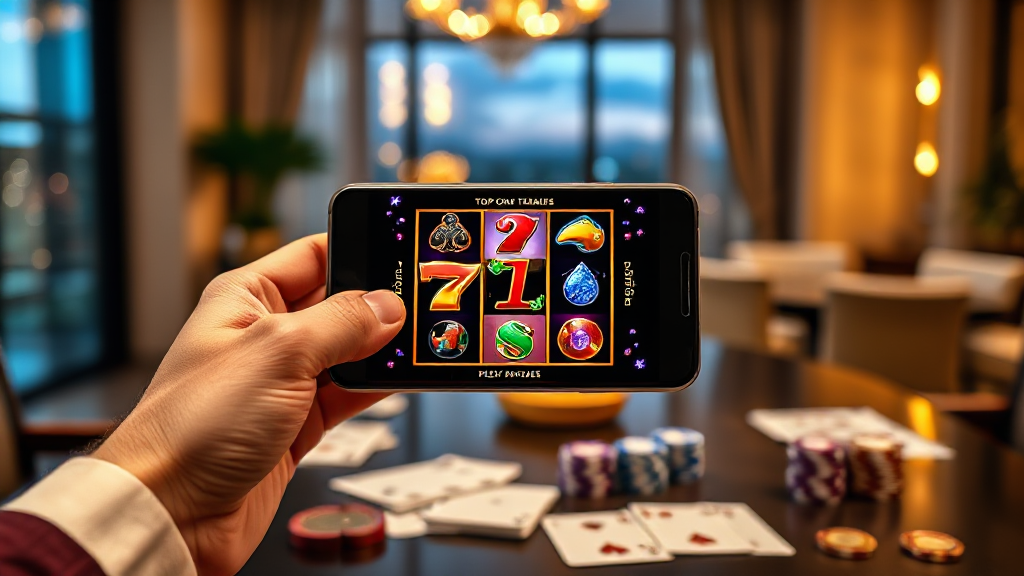
Slot Categories on TopOne Game, Sorted by Play Style
Slot choice is rarely about the title on the thumbnail. It is about matching volatility to your mood, your bankroll, and the length of the session you actually have in front of you. A player with twenty spare minutes and a small balance needs a completely different machine than someone settling in for a long evening with a bigger budget. That is why the most useful way to look at the top one game library is not alphabetically or by release date, but by how each category behaves when you press spin. This is a working map of slot categories on TopOne Game, sorted by play style rather than by marketing hype.
If you already play on the platform, you know the app leans heavily on mobile sessions, quick logins, and bonus claiming rather than long desktop grinds. That shapes everything below. A category that feels generous on a big screen with a slow pace can feel punishing on a phone during a commute. So the taxonomy here is practical: low, medium, and high volatility first, then theme families, then how each group fits a real session. Treat it as a reference table you can return to before you load a balance.
Why Volatility Beats Theme in Slot Selection
Theme is the wrapper. Volatility is the engine. Two slots can share the same Egyptian temple artwork and behave nothing alike, because one pays small amounts often and the other sits silent for fifty spins and then dumps a large multiplier. Players who choose by artwork alone end up frustrated, convinced a game is broken when it is simply doing exactly what its math model promises.
Volatility, sometimes called variance, describes how a slot distributes its payouts over time. A low-volatility slot returns money in frequent, smaller chunks. A high-volatility slot concentrates the same theoretical return into rarer, larger hits. Neither is better in isolation. The right question is whether the pattern matches how you want the session to feel. On TopOne Game, the spread across categories is wide enough that you can genuinely pick a mood rather than settle for whatever loads first.
The second variable is hit frequency, which is related but not identical. A slot can have moderate volatility and still hit fairly often, which suits players who like steady feedback. Reading both numbers, where the game provides them, tells you more than any review score. This is the lens for the rest of the article.
Low Volatility Slots: Steady Sessions and Small Wins
Low-volatility slots are the workhorses of a long, relaxed session. Wins arrive often, usually modest, and the balance curve is gentler. If you want to play for an hour without watching your balance collapse in ten minutes, this is the category to start with. They are also the friendliest group for players who are still learning how a particular provider structures its bonus rounds.
On TopOne Game, low-volatility titles tend to cluster around classic fruit themes, simple three-reel layouts, and straightforward five-reel games with a single free-spin feature. The mechanics are deliberately uncluttered. There is no cascading grid, no expanding wild system, no four-stage bonus trail. You spin, you get paid, you spin again. That simplicity is the point.
Session fit matters here. Low-volatility slots pair well with a smaller balance because the frequent small returns stretch playtime. They also suit background play, where you are half-watching a stream or chatting in the Telegram support channel while the reels run. What they do not do is produce the kind of screenshot you send to a group chat. If you need that adrenaline spike, you are in the wrong category, and that is fine.
Medium Volatility Slots: The Balanced Core of the Library
Medium volatility is where most players end up living, and for good reason. These slots balance hit frequency against payout size, giving you enough regular feedback to stay engaged without capping the upside too low. If you are unsure where to start on the platform, the medium band is the sensible default.
The top one selection in this category covers a huge thematic range, from adventure quests to mythic temples to modern heist setups. Mechanically, these games usually add one or two layered features: a wild multiplier that grows during free spins, a pick-and-win bonus, or a respin mechanic triggered by stacked symbols. Enough complexity to reward attention, not so much that you need a spreadsheet.
Medium volatility also tends to be the most forgiving category when you are testing a new provider. Because the swings are moderate, you can judge whether you enjoy the feature design without a brutal bankroll lesson. For players who claim a bonus and want to work through wagering at a reasonable pace, this is usually the most practical band. It keeps the session moving without demanding the patience of a high-variance grinder.
High Volatility Slots: Big Potential, Long Patience
High-volatility slots are built for players who accept long dry spells in exchange for the chance at a large multiplier. These games can go dozens of spins with nothing meaningful, then deliver a feature that changes the entire session. The math is not cruel; it is simply concentrated. Understanding that before you start is the difference between a fun chase and a frustrating one.
On TopOne Game, high-volatility titles often carry the biggest maximum-win figures and the most elaborate bonus systems. Think expanding reels, symbol collection meters, and free-spin rounds with escalating multipliers. The feature is usually where the real money lives, and base-game wins are deliberately thin to compensate. That structure rewards patience and punishes impatience in equal measure.
Bankroll planning is non-negotiable here. A sensible approach is to size your bet so that you can absorb a long cold streak without dropping below a level you are comfortable with. Many players split their balance: a portion for steady medium-volatility play, a smaller portion reserved for high-volatility attempts. That way a dry run on a volatile slot does not end the evening. If you enjoy the tension of a rare big hit, this is your category. If you need regular confirmation that the game is working, stay in the lower bands.
Theme Families: Classic, Adventure, and Mythic Slots
Once volatility is sorted, theme becomes a genuine preference rather than a trap. The platform’s library breaks into a few broad families, and each tends to attract a particular kind of player.
Classic and fruit slots are the minimalist end. Familiar symbols, clean layouts, and mechanics that need no explanation. They are popular with players who want fast spins and low cognitive load, and they often sit in the low-to-medium volatility range. Adventure and treasure themes sit in the middle, usually with medium volatility and a feature set built around exploration, map progression, or collection. They reward a session of reasonable length.
Mythic and fantasy slots lean toward the dramatic end, with layered features and often higher volatility. These are the games players return to when they want a cinematic feel and are willing to accept bigger swings. Alongside these, card-game-inspired slots borrow imagery from Teen Patti and similar formats, blending the familiarity of table play with reel mechanics. That crossover appeals to players who came to the platform for card games and are curious about slots without wanting something entirely alien.
Matching Slot Categories to Session Length
Session length is the most underrated variable in slot choice. A category that suits a three-hour evening is often a poor fit for a fifteen-minute break, and vice versa.
For short sessions, low and medium volatility slots work best. You get enough hits to feel the session had a shape, and you are not relying on a rare feature that may never arrive in the time you have. Quick mobile play, which is how most no one fun users engage with the app, fits this pattern well. Login, spin for a while, claim any available bonus, and close the app without needing to babysit a long feature sequence.
For long sessions, high volatility becomes more reasonable. The extended playtime gives the math room to work, and a dry streak is less likely to end your balance before the feature lands. Medium volatility remains the safe middle for sessions of any length. A useful habit is to decide your session length before you choose the slot, not after. That single decision prevents most of the frustration players blame on the games themselves.
Quick Reference: Slot Category Cheat Sheet
The table below summarizes the taxonomy. Use it as a starting filter rather than a rulebook, since individual titles vary within each band.
| Category | Payout Pattern | Best For | Typical Theme |
|---|---|---|---|
| Low volatility | Frequent, small wins | Long relaxed sessions, small balances | Classic fruit, simple reels |
| Medium volatility | Balanced hits and payouts | Default choice, bonus wagering | Adventure, treasure, heist |
| High volatility | Rare, large payouts | Patient players, larger bankrolls | Mythic, fantasy, cinematic |
| Card-inspired | Varies by title | Teen Patti and table-game fans | Cards, chips, table imagery |
Read the table left to right and you have a decision framework. Pick the payout pattern that matches your budget and patience, then narrow by theme. That order matters. Choosing theme first and volatility second is how players end up on a machine that does not suit them.
Building Your Own Rotation on TopOne Game
Experienced slot players rarely commit to a single category. They build a rotation: a steady low-volatility game for warming up, a medium-volatility title for the main stretch, and one or two high-volatility games for when they are willing to take a real swing. That structure keeps a session varied without turning it into random hopping, which is usually just a sign of chasing losses.
The practical version is simple. Before you load the app, decide your session length and your total budget. Split the budget across the categories you plan to touch. Start in the lower bands while you settle in, then move up only if you are still within your planned spend. If you are claiming a bonus, check the wagering contribution of each category first, because some games count differently toward requirements, and a mismatched choice can slow your progress unnecessarily.
It also helps to keep notes, even rough ones. Which volatility band did you actually enjoy last week? Did the high-variance session feel thrilling or draining? Most players discover their real preference sits one band lower than they assumed. On a platform like TopOne Game, where the category spread is broad, that self-knowledge is worth more than any list of the best game titles, because it tells you where to spend your time instead of guessing.
Slot selection is a matching exercise, not a hunt for a secret winner. Sort the library by volatility, pick the theme family that keeps you interested, and fit the category to the session you actually have. Do that consistently and the reels stop feeling random in the frustrating sense. They start feeling like a game you chose on purpose, which is the whole point of playing on purpose in the first place.